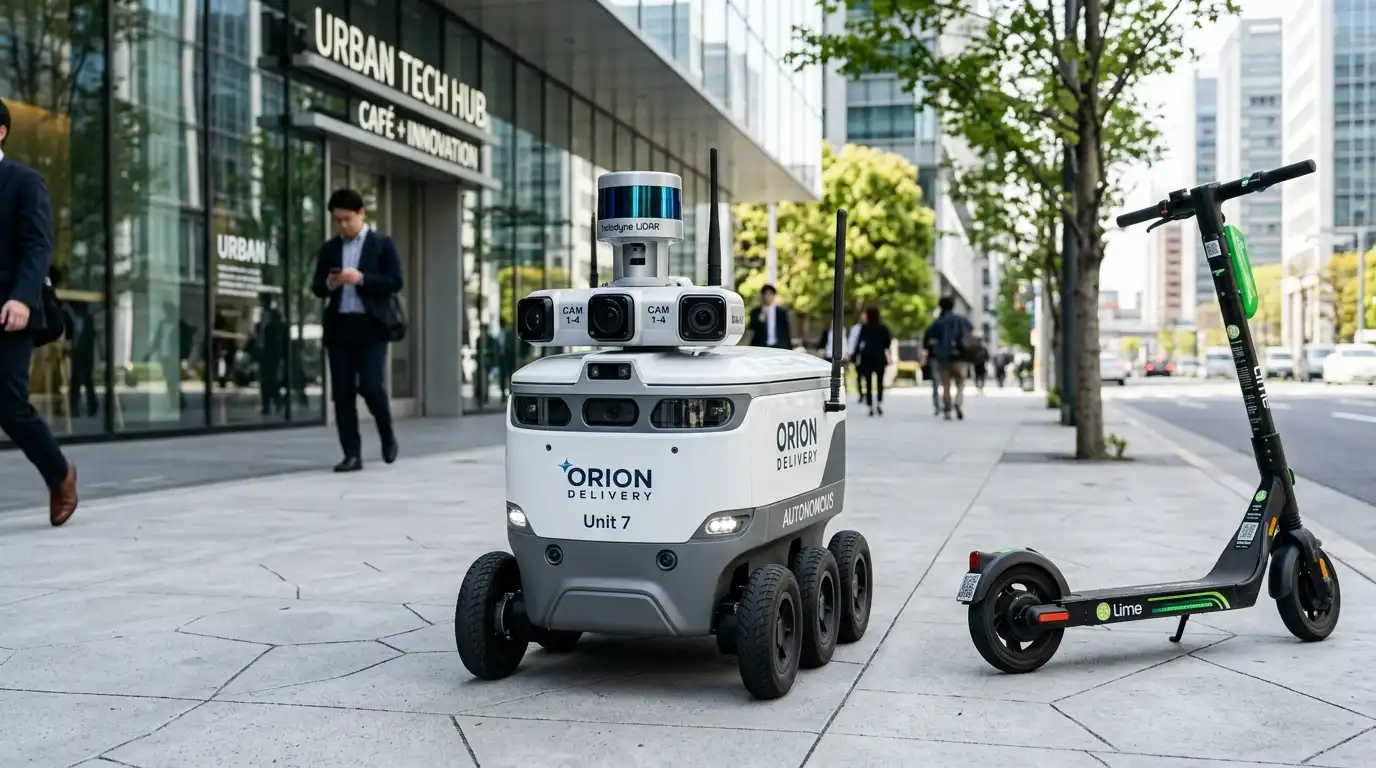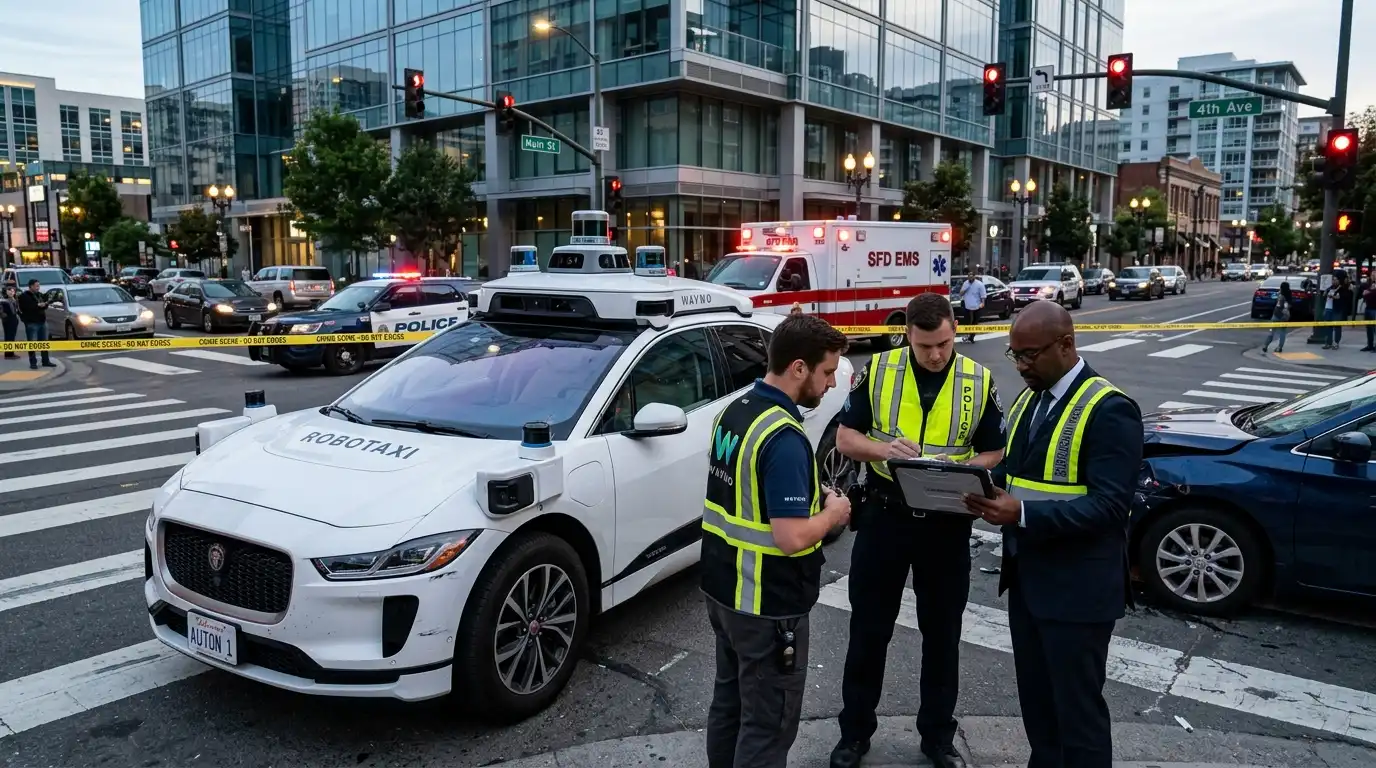
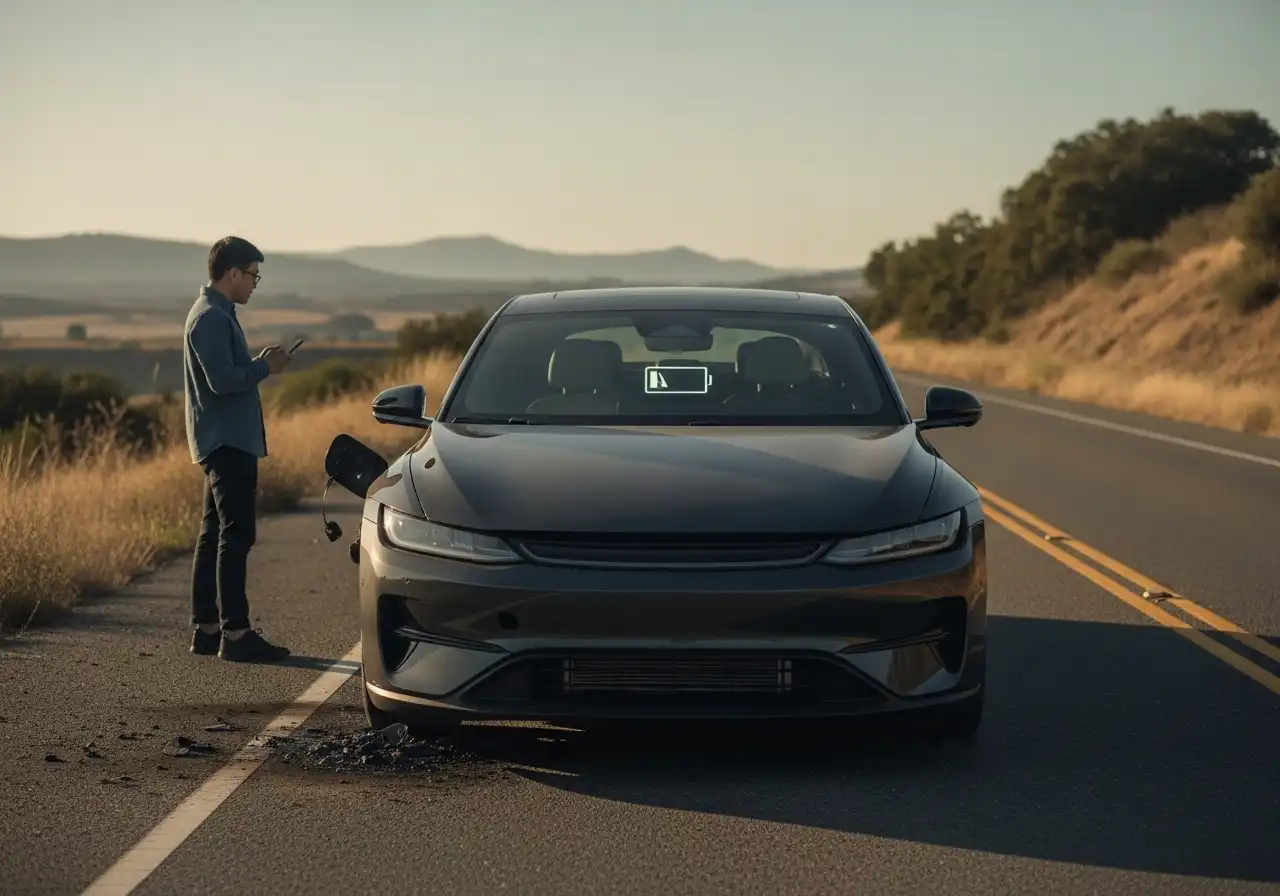
Electric vehicles are becoming more common on roads across the country. As EV adoption increases, so do accidents involving these vehicles. Electric vehicle accident claims often involve issues that differ from traditional car crashes, including battery failures, software malfunctions, and complex liability questions. In 2026, these factors continue to shape how EV accident cases are investigated and handled.
Why Electric Vehicle Accidents Are Different
 Electric vehicle accidents are not always handled the same way as gasoline vehicle crashes. While many collisions involve familiar causes such as distracted driving or speeding, EVs introduce additional risks and technical factors that may affect injury claims.
One major concern involves lithium ion batteries. When damaged in a crash, EV batteries may overheat or ignite. In some cases, fires occur hours after the initial impact. These risks may increase the severity of injuries and property damage.
Another difference involves onboard technology. Many electric vehicles rely on advanced driver assistance systems, sensors, and software. When these systems malfunction or fail to respond correctly, questions may arise about whether technology played a role in the collision.
Common Causes of Electric Vehicle Accidents
Electric vehicle accidents may occur for many of the same reasons as other crashes, but some causes are more specific to EVs.
- Driver distraction or fatigue while relying on driver assistance features
- Battery defects or thermal runaway after impact
- Software or sensor errors affecting braking or steering
- Mechanical failures related to EV specific components
- Hazards involving charging stations or electrical equipment
When one or more of these factors contributes to a crash, determining fault may require a deeper investigation.
Who May Be Liable in an EV Accident Claim
Liability in electric vehicle accident claims may extend beyond the drivers involved. Depending on the circumstances, multiple parties could share responsibility.
A negligent driver may still be held accountable if unsafe driving behavior caused the crash. However, liability may also involve manufacturers if a vehicle defect contributed to the collision or worsened the injuries.
Software developers or technology providers may also be examined if a malfunctioning system played a role. In some cases, charging station owners or maintenance companies may be involved if faulty equipment caused injury.
These layered liability issues often make EV accident claims more complex than traditional cases.
Evidence That Matters in Electric Vehicle Accident Claims
Strong evidence plays a critical role in any injury claim, but electric vehicle cases often rely on additional types of proof.
Vehicle data logs may show speed, braking activity, and system alerts leading up to the crash. This information can help clarify what happened and whether technology functioned as intended.
Battery inspection reports may also be important, especially when fires or electrical failures occur. Expert analysis may be used to identify defects or design issues.
As with other accidents, photos, videos, witness statements, and police reports remain essential. For more guidance, you may want to review our related article on what to do after a car accident.
Steps to Take After an Electric Vehicle Accident
Taking the right steps after an EV accident may help protect your health and your claim.
First, move to a safe location if possible and remain alert for signs of battery damage or smoke. Emergency responders trained in EV safety can address these risks.
Medical evaluation matters even if injuries seem minor at first. Some symptoms, including those related to smoke exposure, may appear later.
It may also help to avoid altering or resetting vehicle systems before data is reviewed. Preserving evidence can be important when liability questions involve technology or defects.
You can also explore our guide on collecting evidence after an accident for additional insight.
Injuries Commonly Seen in EV Accidents
Injuries from electric vehicle crashes range from minor to severe. High vehicle weight and instant torque may contribute to more forceful impacts.
Common injuries include fractures, head trauma, spinal injuries, burns, and internal injuries. Battery fires or electrical hazards may also cause unique injury patterns that require specialized treatment.
Compensation in Electric Vehicle Accident Claims
Electric vehicle accident claims may involve compensation for medical expenses, lost income, pain and suffering, and property damage. EV repairs and battery replacements can be costly, which may affect claim values.
Each case depends on specific facts, including fault, injury severity, and available insurance or liability coverage.
Why EV Accident Claims Require Careful Review
 As electric vehicles continue to evolve, so do the legal issues surrounding accidents involving them. Technical data, product design, and software behavior often play a role in determining responsibility.
Understanding how these elements interact can be challenging without careful review. Staying informed about how EV accident claims work may help injury victims make informed decisions.
Final Thoughts
Electric vehicle accident claims in 2026 involve unique risks and legal considerations. Battery hazards, software systems, and complex liability structures often distinguish these cases from traditional car accidents. Knowing what makes EV crashes different and what evidence matters can provide clarity during an already stressful time.
For more information on accident claims and injury law, explore additional resources on Accident Advocator.