As self-driving technology transitions from speculative testing to daily commercial operation, cities across the nation are seeing a surge in Level 3 and Level 4 autonomous vehicles (AVs) and AI-assisted rideshares on public roads. While autonomous systems promise to eliminate human errors like drunk or distracted driving, collisions still happen. When an algorithm, a sensor glitch, or a disengaged safety monitor leads to a crash, one crucial question emerges: Who is legally responsible?
Determining fault in autonomous vehicle accidents represents one of the most complex evolutions in modern personal injury law. Unlike traditional motor vehicle claims where liability focuses almost entirely on driver behavior, AI-driven collisions shift the legal framework toward corporate liability, software design flaws, and complex product liability. Here is what accident victims need to know about navigating claims involving autonomous vehicles and robotaxis.
Traditional Driver Negligence vs. Algorithmic Liability
In standard car accident cases, establishing liability relies on proving human negligence. Investigators look for evidence that a driver violated traffic laws, drove recklessly, or failed to exercise reasonable care under the circumstances. However, when an Artificial Intelligence system or Automated Driving System (ADS) operates the vehicle, traditional negligence standards quickly fall short.
When an autonomous rideshare vehicle causes an accident, liability analysis shifts away from individual driver mistakes and focuses on system-level performance. Courts examine how the software processed sensor input, whether the vehicle’s object detection algorithm failed, and how the operating company trained and deployed its fleet. Consequently, autonomous vehicle claims often merge personal injury law with complex product liability claims.
The 4 Potentially Liable Parties in an Autonomous Crash
Because autonomous rideshare ecosystems involve multiple corporate entities and technical layers, identifying fault requires looking at several potential defendants:
1. The Vehicle Manufacturer and Hardware Suppliers
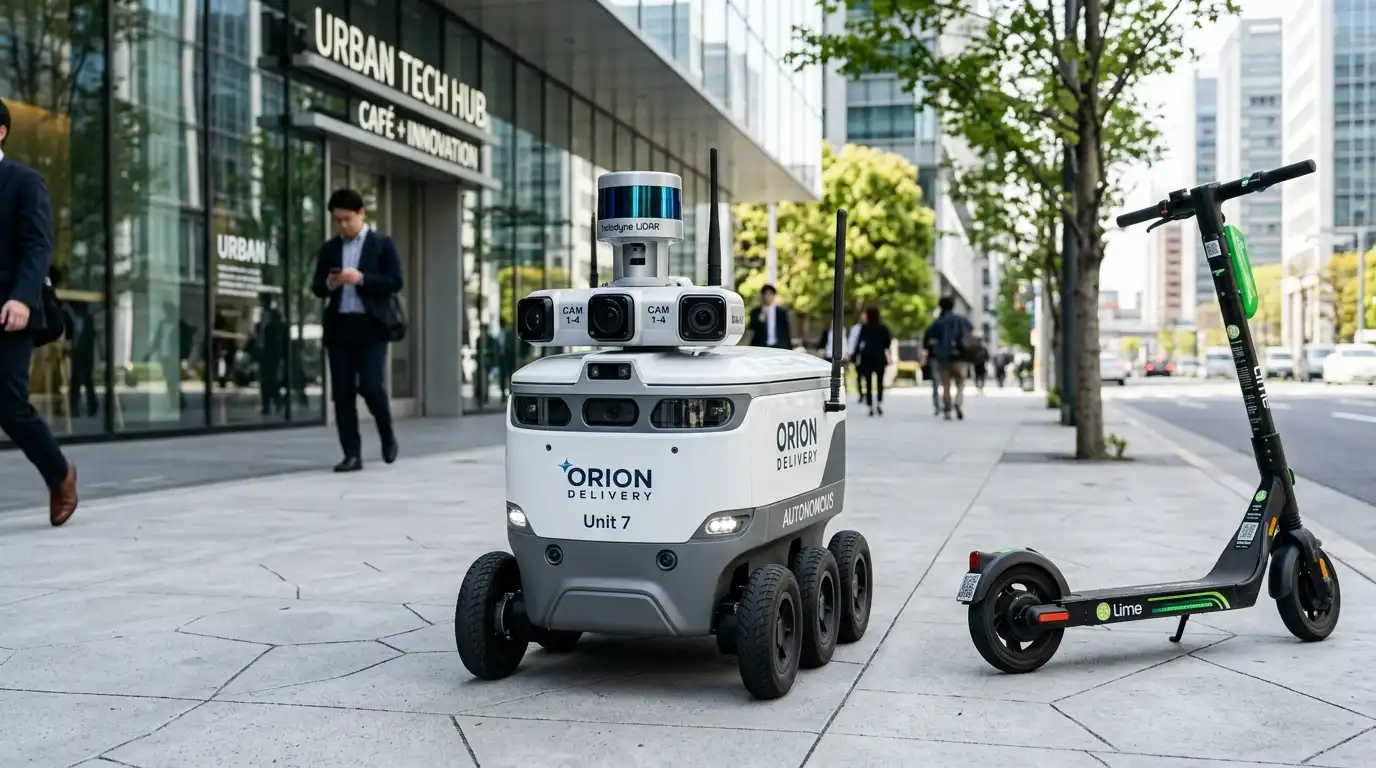
If a crash stems from physical component failures—such as a defective braking mechanism, a faulty LiDAR array, or a blinded optical camera—the vehicle manufacturer or component vendor can be held liable under strict product liability laws. Under this doctrine, victims do not necessarily need to prove negligence, but rather that a manufacturing or hardware design defect made the vehicle unreasonably dangerous.
2. The AI Software and Algorithm Developers
When a driverless vehicle fails to detect a pedestrian, mistakes a lane marker, or freezes inappropriately in an intersection, responsibility often points to the software developer. Known legally as algorithmic negligence, claims can be brought if the software developer failed to properly train, test, or program the autonomous system to respond safely to foreseeable road hazards.
3. The Rideshare Platform and Fleet Operator
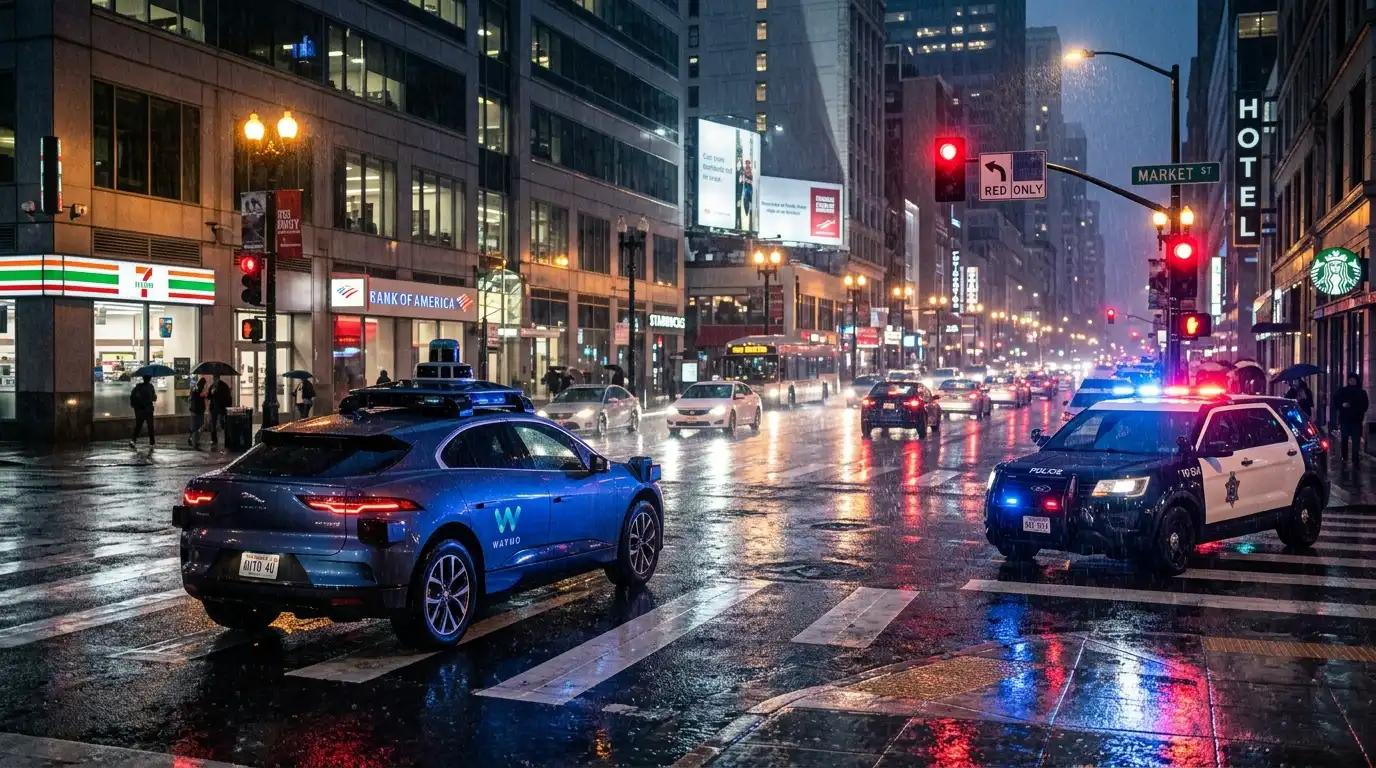
Fleet operators and rideshare platforms (such as Waymo or autonomous rideshare networks) maintain a non-delegable duty of care to ensure their operating fleets are safe. A fleet operator may bear primary liability if it:
- Deployed vehicles in severe weather conditions beyond the system’s operational design domain (ODD).
- Failed to install critical, available over-the-air (OTA) software patches or recalls.
- Neglected routine sensor cleaning, alignment, and physical maintenance.
4. Human Drivers and Remote Safety Operators
Many semi-autonomous vehicles (Level 2 and Level 3 systems) still require a human driver or safety backup operator to remain attentive and ready to resume control. If a human driver ignores system takeover prompts or operates an automated feature outside manufacturer guidelines, liability often falls back on the human driver’s personal insurance policy.
Key Evidence Needed to Prove Fault in AI Rideshare Crashes
Unlike standard collisions that depend primarily on eyewitness accounts and police reports, autonomous vehicle crash investigations are heavily data-driven. Proving liability requires securing digital telemetry directly from the vehicle and operating company.
According to safety incident reporting frameworks published by the National Highway Traffic Safety Administration (NHTSA), autonomous vehicles record continuous diagnostic streams. Critical evidence in an autonomous collision claim includes:
- Black Box Event Data Recorders (EDR): Logs showing exact speeds, steering angles, braking inputs, and system status milliseconds prior to impact.
- Sensor and Camera Telemetry: High-definition video recordings and 3D point-cloud LiDAR data revealing what the AI “saw” or failed to detect.
- System Disengagement Logs: Timestamped records indicating whether the autonomous system abruptly disengaged control right before impact to avoid system-level responsibility.
- Remote Operator Communications: Audio and data logs between the vehicle and remote monitoring centers during emergency maneuvers.
Because corporate fleet operators control this proprietary data, evidence can be overwritten or deleted quickly. Legal representation must immediately issue a formal spoliation letter to legally freeze and preserve all vehicle sensor logs.
Navigating Insurance Coverage and Multi-Party Claims

Insurance coverage for driverless rideshare collisions is significantly higher than standard personal vehicle policies. For example, states like California mandate that fully autonomous vehicle commercial operators carry minimum liability policies ranging from $5 million or higher per vehicle to cover potential multi-passenger or systemic incidents.
However, securing fair compensation remains challenging. Corporate legal teams and insurance carriers frequently engage in cross-claiming—the vehicle manufacturer blames the software programmer, while the software company argues another driver or road hazard caused the event. Navigating these multi-party corporate disputes requires working with legal professionals who understand technical evidence, product liability statutes, and algorithmic liability shifts.
Steps to Take If You Are Involved in an Autonomous Vehicle Accident
- Seek Immediate Medical Attention: Document all physical injuries immediately, as crash dynamics in autonomous collisions can result in severe whiplash or latent soft-tissue trauma.
- Report the Incident to Law Enforcement: Ensure responding officers note that an autonomous vehicle or AI-assisted rideshare was involved in the collision report.
- Document the Scene Thoroughly: Take photos of sensor placement on the autonomous car (roof sensors, side camera pods), vehicle identification numbers (VIN), road markings, and ambient weather conditions.
- Avoid Recorded Statements to Fleet Representatives: Rideshare operators and autonomous tech firms will reach out quickly; do not provide recorded statements regarding fault until you consult legal counsel.
- Consult a Personal Injury Legal Specialist: Contact an experienced attorney who specializes in product liability and autonomous technology claims to safeguard critical data logs before they are purged.