The Shift from Human Error to Product Liability
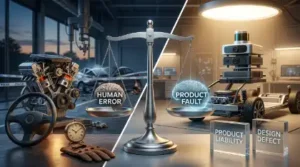
In traditional personal injury law, over 90% of motor vehicle accidents are attributed to human error—such as distracted driving, speeding, driving under the influence, or failing to yield. Under standard negligence laws, the at-fault driver’s auto insurance policy covers the physical and financial injuries suffered by the victims.
With fully autonomous vehicles (AVs)—specifically Level 4 and Level 5 autonomous systems operating without human intervention—the legal foundation shifts from traditional driver negligence to product liability and corporate fault. When an automated system fails to detect a pedestrian, misinterprets a traffic signal, or executes a sudden, unsafe maneuver, the responsibility usually rests on the entities that built, programmed, or operated the vehicle.
Product liability claims generally fall into three legal categories:
- Manufacturing Defects: Flaws occurring during the assembly or production of the vehicle or its components, such as a faulty brake sensor or corrupted wiring.
- Design Defects: Inherent flaws in how the autonomous system was created, such as an AI algorithm that fails to recognize vulnerable road users like cyclists in low-light conditions.
- Failure to Warn or Market Defects: Inadequate instructions or misrepresentation of the vehicle’s capabilities, leading drivers or fleet managers to rely on automation beyond its intended operational parameters.
Who Can Be Held Liable in a Driverless Car Accident?
Because autonomous driving systems rely on a complex ecosystem of hardware, software, and real-time data networks, a single crash may involve multiple liable parties. Key potential defendants include:
1. The Autonomous Fleet Operator or Robotaxi Company
Commercial robotaxi providers design, deploy, and monitor driverless fleets in major urban centers. If the operating company failed to properly maintain the vehicle, ignored known software bugs, failed to update critical firmware, or deployed fleets in weather conditions exceeding safe operational limits, they can be held directly liable for corporate negligence.
2. Vehicle and Hardware Manufacturers
Traditional automotive original equipment manufacturers (OEMs) that produce the physical chassis, steering mechanisms, and braking hardware can be held responsible if mechanical failures contribute to a crash, independent of software performance.
3. Autonomous Software Developers and AI Providers
In many cases, the self-driving software stack is built by a specialized technology firm separate from the vehicle manufacturer. If a flaw in the decision-making algorithm, neural network training, or perception stack causes the vehicle to make a dangerous driving maneuver, the technology developer may face primary liability.
4. Sensor and Hardware Suppliers
Autonomous vehicles rely heavily on complex hardware, including LIDAR, radar, optical cameras, and ultrasonic sensors. If a third-party supplier provides a defective component that fails under normal driving conditions, they may be named in a product liability lawsuit.
5. Safety Drivers or Remote Teleoperation Operators
Some semi-autonomous vehicles or testing fleets utilize human “safety drivers” behind the wheel, while full robotaxi fleets often rely on remote assistance operators working in monitoring centers. If a human monitor failed to intervene when alerted to an operational anomaly, human negligence remains a factor.
How Insurance Claims Work with Robotaxis
For injury victims, one major advantage of commercial robotaxis over traditional passenger vehicles is insurance coverage limit size. Individual drivers often carry minimum state-required liability limits, which can be quickly exhausted by major medical bills. By contrast, commercial autonomous vehicle operators are held to stringent regulatory standards and maintain substantial commercial liability policies—often valued in the millions of dollars.
However, accessing these corporate insurance policies presents unique challenges. Major technology companies and commercial operators deploy aggressive legal defense teams and insurance adjusters whose primary goal is to minimize corporate payout exposure. Rather than dealing with a standard personal injury claims adjuster, victims find themselves up against corporate legal departments and multi-national insurance syndicates.
The Battle for Digital Evidence: Telematics and the “Black Box”

Proving liability in a traditional car crash often relies on eyewitness accounts, physical skid marks, and police reports. In a driverless car accident, the most vital evidence is entirely digital.
Autonomous vehicles collect massive amounts of real-time telemetry data every second, including sensor logs, video feeds, object detection records, braking speeds, and system health status. This internal data serves as the vehicle’s “black box.”
Key digital evidence required to establish fault includes:
- Perception Logs: Records showing what the vehicle’s sensors detected (or failed to detect) prior to impact.
- System Diagnostic Logs: Evidence indicating whether internal warnings, sensor blinds, or hardware malfunctions occurred prior to the collision.
- Remote Operation Records: Communications showing whether a remote human operator attempted to override the system.
- Over-the-Air (OTA) Update Records: Evidence showing whether necessary software patches were pending or properly installed.
Because this data is stored on proprietary corporate servers, driverless vehicle companies often resist releasing unredacted telematics logs. Preserving this digital evidence quickly through formal spoliation letters and legal subpoenas is crucial before data is routinely overwritten or cleared.
Steps to Take After an Accident Involving an Autonomous Vehicle
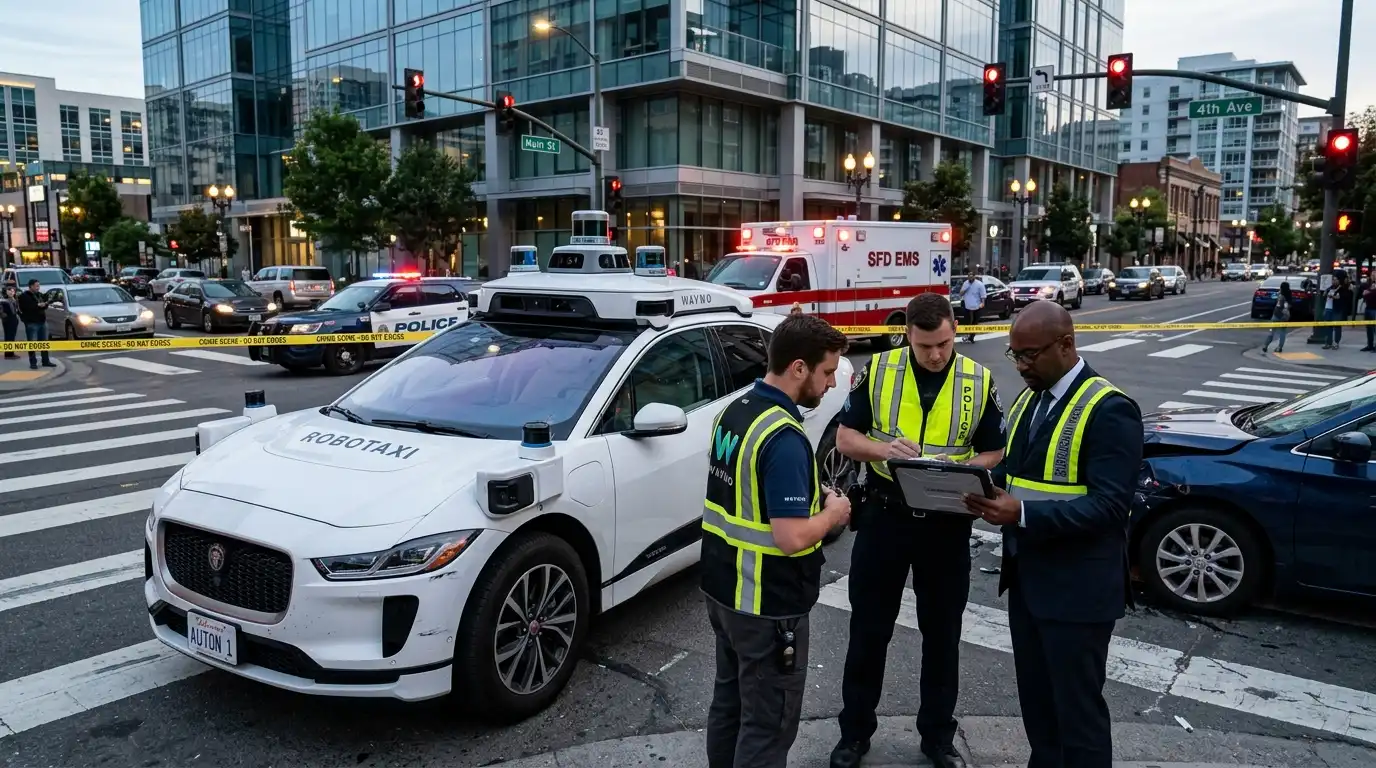
If you are involved in a collision with a driverless car or robotaxi, taking the right steps immediately following the incident can protect your health and preserve your legal rights:
- Seek Immediate Medical Attention: Your safety and health are paramount. Always get a comprehensive medical evaluation, even if your injuries seem minor initially.
- Call Law Enforcement: Ensure a formal police report is filed detailing that the collision involved an autonomous or driverless vehicle.
- Document the Scene Thoroughly: Take extensive photos and videos of the damage, road conditions, traffic control signals, and any visible sensor hardware on the autonomous vehicle (such as roof pods, cameras, and LIDAR units).
- Identify the Vehicle and Fleet Operator: Note the make, model, fleet identification number, operator name, and license plate of the driverless car.
- Gather Witness Statements: Collect contact information from bystanders who witnessed the crash or the behavior of the vehicle leading up to impact.
- Avoid Making Recorded Statements: Do not give detailed statements or sign documents provided by insurance representatives from the robotaxi company before consulting legal representation.
Protecting Your Rights in an Evolving Legal Landscape
Autonomous technology is rapidly changing how we view transportation, but state laws and federal regulations are still catching up. Navigating an injury claim against a technology giant or commercial driverless fleet requires a deep understanding of evolving motor vehicle codes, product liability laws, and digital forensics.
At Accident Advocators, we believe victims should never have to take on massive corporations alone. Understanding your rights when technology fails is the first step toward getting the medical care, financial support, and accountability you deserve after a crash.